

-
PRODUCT CENTERWe have many customers all over the world, and our products are exported to Asia, the Middle East, America, Europe, Africa and other countries, enjoying a good reputation at home and abroad.
-
NEWSWe have many customers all over the world, and our products are exported to Asia, the Middle East, America, Europe, Africa and other countries, enjoying a good reputation at home and abroad.
We have many customers all over the world, and our products are exported to Asia, the Middle East, America, Europe, Africa and other countries, enjoying a good reputation at home and abroad.
YILI (SHANDONG) IMPORT AND EXPORT CO., LTD
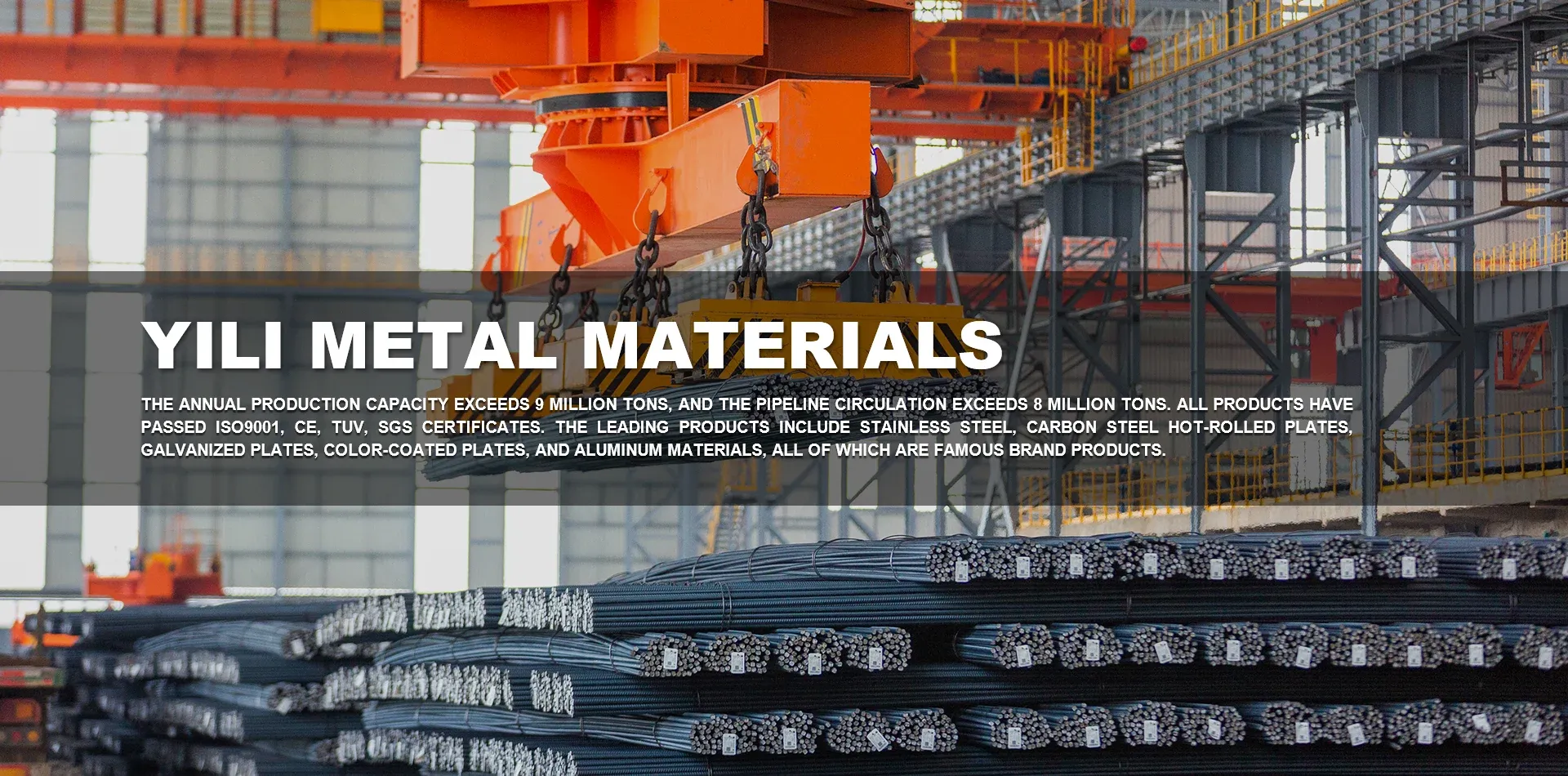
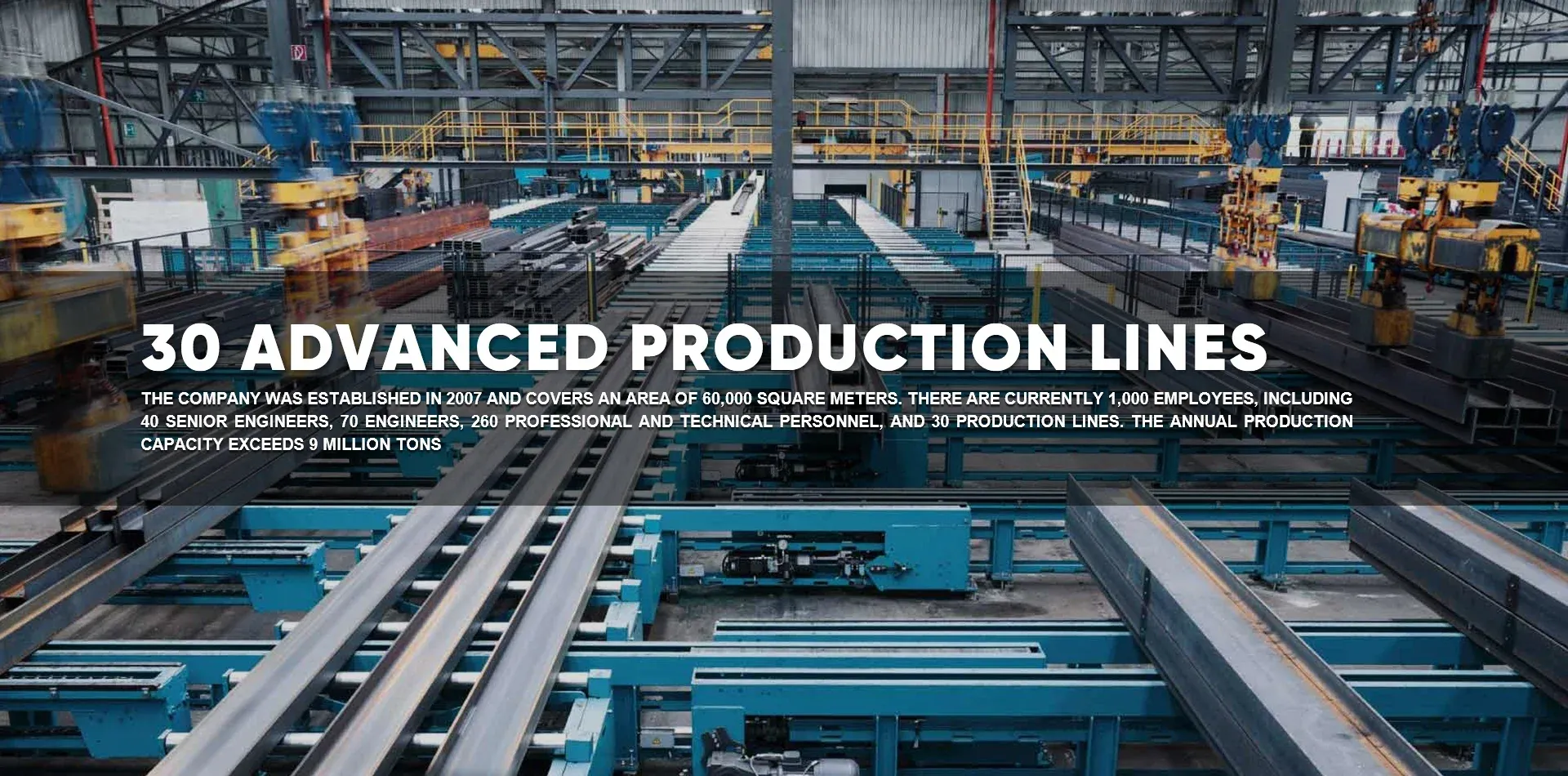
Yili (Shandong) Import and Export Co., LTD is an enterprise integrating the production and operation of stainless steel, carbon steel, galvanized, color-coated aluminum and other steel products. The company was established in 2007 and covers an area of 60,000 square meters. There are currently 1,000 employees, including 40 senior engineers, 70 engineers, 260 professional and technical personnel, and 30 production lines. The annual production capacity exceeds 9 million tons, and the pipeline circulation exceeds 8 million tons. All products have passed ISO9001, CE, TUV, SGS certificates.The leading products include stainless steel, carbon steel hot-rolled plates, galvanized plates, color-coated plates, and aluminum materials, all of which are famous brand products.
PRODUCTION LINE
NEWS CENTER
We stick to the principle of "quality first, service first, continuous improvement and innovation to meet the customers" for the management and "zero defect, zero complaints" as the quality objective.
How Final Inspection Differs from In-Process Inspection in Steel Manufacturing
This article explains the difference between in-process inspection and final inspection in steel manufacturing, and why both are necessary to control product quality before shipment. In steel manufacturing, inspection does not happen only at the end of production. Quality control usually takes place at several stages, and two of the most improtant are in-process inspection and final inspection. They may sound similar, but they serve different purposes, Think of in-process inspection as checking the route while you are driving, while final inspection confirms that you arrived at the correct destination.
2026/08/21
How Steel Coil Weight and Inner Diameter Affect Handling and Processing
This article explains why steel coil weight and inner diameter matter for lifting, storage, slitting, decoiling, and production-line compatibility, helping buyers specify coils more accurately before ordering.' When buyers order steel coil, they often focus first on grade, thickness, width, and coating. Those details are essential, but coil wieght and inner diameter can be just as improtant once the material reaches your warehouse or processing line. A coil may meet every material specification and still creat problems if your crane, coil car, uncoiler, or slitting line cannot handle it. In that sense, coil dimensions are like a key: they must fit the equipment before they can do the job.
2026/08/14
How Steel Manufacturers Build Long-Term Supply Programs for OEM Customers
This article explains how steel manufacturers establish long-term supply programs for OEM customers, the benefits of strategic partnerships, and how Yili Steel delivers stable, customized steel solutions for global manufacturers. For OEM ( Original Equipment Manufacturer) customers, buying steel is more than placing a one-time order-it's about building a deoendable supply chain. A reliable steel supplier becomes an extension of then customer's production team, helping ensure every projects stays on shedule. Think of it like a long-distance relay race. Success doen't depend on one runner but on smooth teamwork from start to finish. That's why many steel manufacturers develop long-term supply programs that focus on consistency, flexibility, and mutual growth rather than simple transactions.
2026/07/24
How Steel Manufacturers Optimize Furnace Charging for Better Steel Quality
This article explains why furnance charging is a crucial step in steel manufacturing, how optimized cahrging improves steel quality, and how Yili Steel delivers premium steel products through advanced production processes and strict quality control. Great steel doesn't begin at the rolling mill- it starts much ealier, inside the furnance. One of the first and most important steps in steel production is furnance charging, the process of loading raw materials into the furnance before melting begins. Think of it like preparing the igredients for a gourmet meal. Even the most skilled chef can't create an excellent dish with poorly arranged or low-quality ingredients. The same principle applies to steel manufacturing. Optimized furnace charging lays the foundation for cleaner steel, stable production, and consistent product quality.
2026/07/17
CONTACT US
GET A FREE QUOTE
